
_______________________________________________________________________________
September 25th, 2025
By: Henry Haile
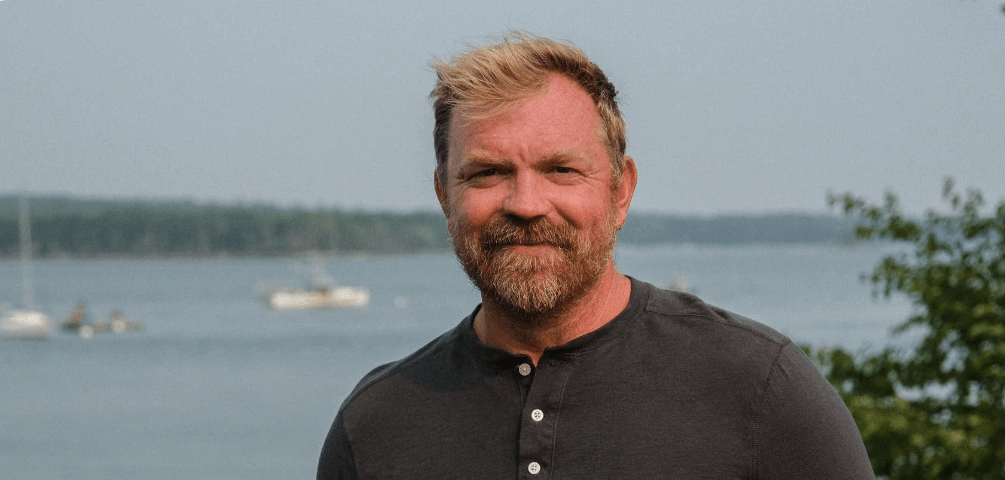
“America has entered a new Gilded Age–” says Graham Platner– the second to announce his candidacy for Senator Susan Collins’ Senate seat in Maine. The military veteran oysterman running against Collins and “the billionaire class that owns her and all of Washington” is taking an unconventional approach in his bid for the United States Senate.
Platner is proving to be a major upset in the race, with key labor endorsements from The International Federation of Professional and Technical Engineers, affiliated with AFL-CIO and representing thousands at Portsmouth Naval Shipyard, and The Maine State Nurses Association who also endorsed former Maine Senate President and current candidate for governor Troy Jackson. Another important endorsement was that of Senator Bernie Sanders, a leading figure of the American left. Sanders endorsed Platner and Jackson as part of his Fighting Oligarchy tour, lending credibility and confidence to the “Grahampaign”. This move emphasizes Maine’s Senate election as a crucial litmus test for American leftism, alongside Zohran Mamdani’s New York City mayoral campaign. The endorsement of a national figure as large as Bernie Sanders early in the campaign is a promising sign, and lends Platner bona fides needed to gain the support of the broader progressive movement.
Platner is running on a progressive and anti-establishment platform, focusing on issues of affordability. Interestingly, his primary position is dismantling America’s “billionaire economy”. This degree of leftist anti-corporatism is uncommon for Maine, where bipartisanship and moderate politics are the norm. In the 2024 presidential election, Trump won the state’s second district by almost 10 points. Democratic Representative Jared Golden often finds common ground with Trump, and Senators Angus King and Susan Collins pride themselves on their ability to reach across the aisle. Platner’s agenda, which includes Medicare for All, condemnation of Israel’s war in Gaza, and federal legalization of cannabis, is a clear departure from Maine’s Democratic establishment. Passion for such issues would come as no surprise to those who knew Platner in his youth; in his high school yearbook, he earned the superlative ‘most likely to start a revolution.’
Some of Platner’s breaks with traditional Democrats are more unexpected. Part of his platform involves revitalizing and significantly expanding the Navy and “[closing] the shipbuilding gap” – presumably with China. Platner has also suggested raising the wages of enlisted soldiers. While increased military spending is typically not a winning position for progressives, Platner’s policies aim to reduce poverty rates among active-duty troops and veterans, tying in with wider issues of affordability for the working-class.
Taking an unconventional approach to campaigning may be to Platner’s benefit however. Sara Gideon, who faced Senator Collins in the 2020 election, was the former speaker of the Maine State House, had the support and funding of the Democratic establishment, a wide-ranging multimedia campaign, local name recognition,the endorsement of former President Barack Obama, and promising polls leading up to election day– but still lost to Collins by an 8 point margin, in a state that President Joe Biden won by 9 points the same year. Split ticket voters are very common in Maine –up to 20% of ballots do not adhere to a single party– and it likely cost Gideon the election. Such voters, who are often discontented with both party establishments and trend towards rural and working-class backgrounds are especially critical for Platner to win over.
Graham Platner prioritizes those who might be uncomfortable with establishment politics; he’s a political outsider, veteran, harbormaster, small business owner and lifelong Mainer. His focus on affordability is specifically designed to appeal to working-class Mainers and their economic anxieties –worries that may be exacerbated by President Trump’s tariffs. Platner’s campaign staff seem to reflect his focus towards the working-class as well. Joe Calvello, his communications director and spokesman made waves serving as John Fetterman’s campaign communications director; Calvello is accompanied by Morris Katz, an admaker who was part of Zohran Mamdani’s upset primary campaign. The campaign has also hired Fight Agency, a Democratic consulting firm that has worked on the Fetterman and Mamdani campaigns, as well as for progressive Nebraska candidate Dan Osborn. Platner seems to have hit a nerve among Mainers, appealing to many demographics that Collins does not. His quick mobilization of a campaign, key endorsements, and wildly successful fundraising efforts give him a promising start as one of the primary’s frontrunners. However, as Maine’s current, term-limited governor Janet Mills enters the Democratic primary, the outcome of the race is still far from certain. Will the people-oriented Platner head to Washington, or will establishment politicians prevail?
Disclaimer – Henry Haile has recently made the decision to volunteer for Platner.


 Paths Magazine
Leave a comment